Service 03 of 11 · Phoenix, AZ
Kitchen Countertops in Phoenix
Stone is priced by the slab and set by the template, and the template is only as good as the cabinets under it. This page covers quartz, granite, quartzite and butcher block, what Phoenix heat and sun do to each, and where the seams go.
Last updated
01Countertops
Which countertop material should I choose in Phoenix?
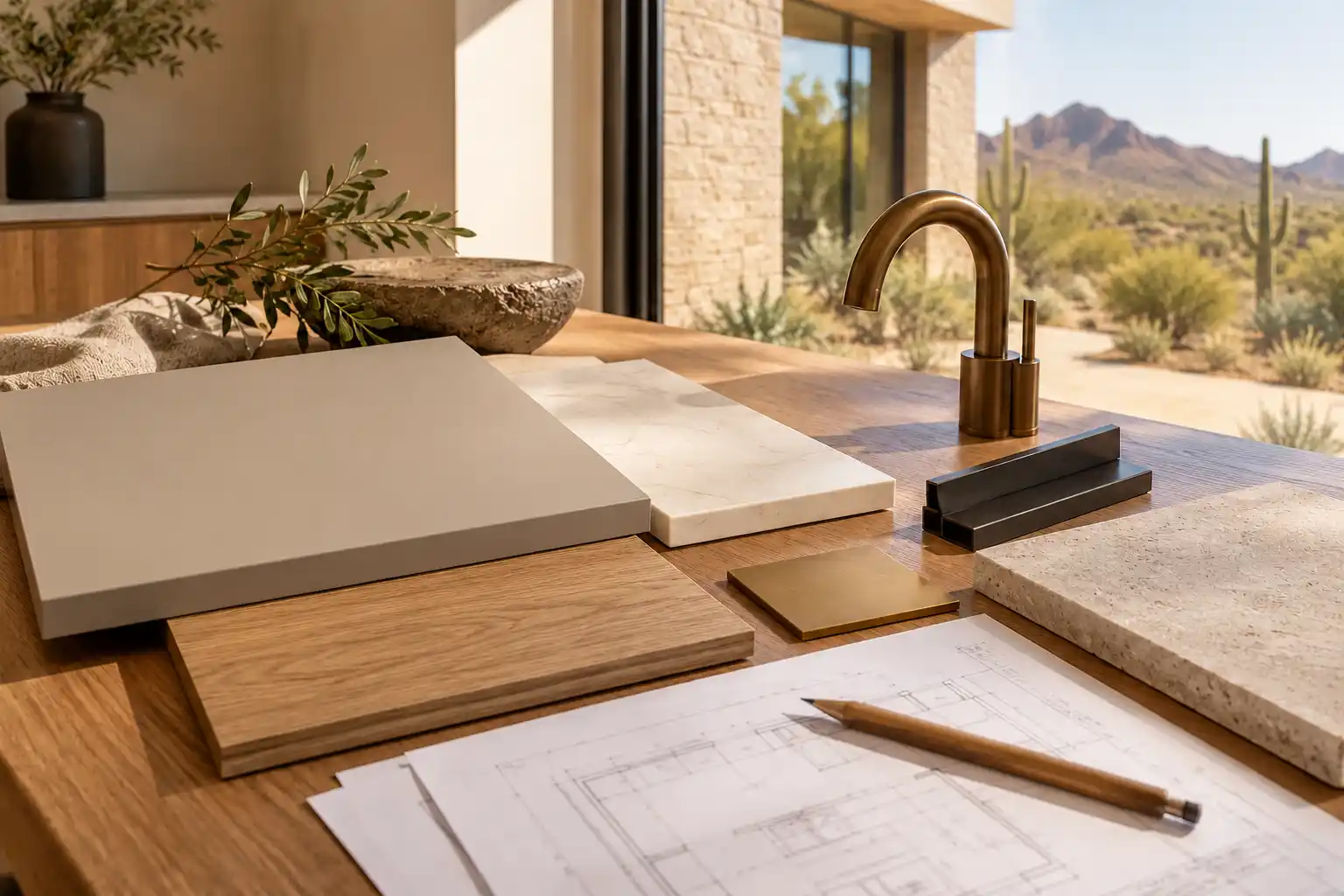
Start with how you cook, not with a photo. Quartz is the low maintenance pick: non porous, no annual sealing, patterns that repeat from slab to slab. Granite is natural, takes heat and needs periodic sealing. Quartzite looks like marble and behaves closer to granite, at a higher price. Butcher block is warm, repairable and the wrong choice around a sink that gets left wet. In a Phoenix kitchen the deciding factors are sun, heat and seams. A dark polished stone near west glass shows every print and gets hot by 4pm. A light stone hides dust and water spots. Pick the material after you know where the afternoon sun lands. Then ask what the room looks like at 3pm, not at 9am, because that is the light the counter will live in.
02Costs
What do countertops cost installed in Phoenix?
There is no single counter price, because stone sells by the square foot of slab plus fabrication, cutouts and edge. What the market publishes is the whole kitchen: $75 to $250 per square foot of remodel, a major remodel at $20,000 to $65,000, and a total makeover at $65,000 to $130,000 or more, according to a national cost guide. Counters and cabinets are where most of that lands. A 40 square foot counter in a mid range stone sits at the low end of the major range. A 70 square foot kitchen with a waterfall edge and 2 sinks sits high. Tear out, haul off and the sink cutout are separate lines on most bids. Published market ranges, not a quote: the final price is set after an on-site assessment.
03Countertops
Quartz or granite for a Phoenix kitchen?
Quartz if you want no sealing and a consistent look. Granite if you want heat tolerance and a slab nobody else has. Quartz is engineered stone, quartz particles bound in resin, and the resin is the limit: a pan straight off the burner can scorch it, and years of direct sun can shift the color. Granite tolerates heat better, but it is porous and needs periodic sealing, more often near a sink. Both handle a working kitchen. Granite is the safer pick within 3 feet of a range or under a window that takes afternoon sun. Quartz is the easier pick in a busy house with kids and no interest in maintenance. One more difference: a quartz pattern repeats, so a seam is easier to hide in a busy pattern and harder to hide in a solid white.

04Costs
Is quartzite or butcher block worth considering?
Quartzite yes, if the budget allows and you like movement. It is natural stone, harder than marble and close to granite in how it handles heat, and the slabs are unpredictable in a way engineered stone is not. Look at the actual slab, not a sample, because the pattern you approve is the pattern that arrives. Butcher block is a different trade off. It is repairable, warm under hand, and it needs oil, stains from beet juice and takes a cut mark. In Phoenix it also dries and opens at the seams in a dry June if nobody oils it. Good on an island, poor around a sink. If you want the look without the upkeep, a 2 inch butcher block top on a small island is the version that works.
05Countertops
How does Phoenix heat and sun affect a countertop?
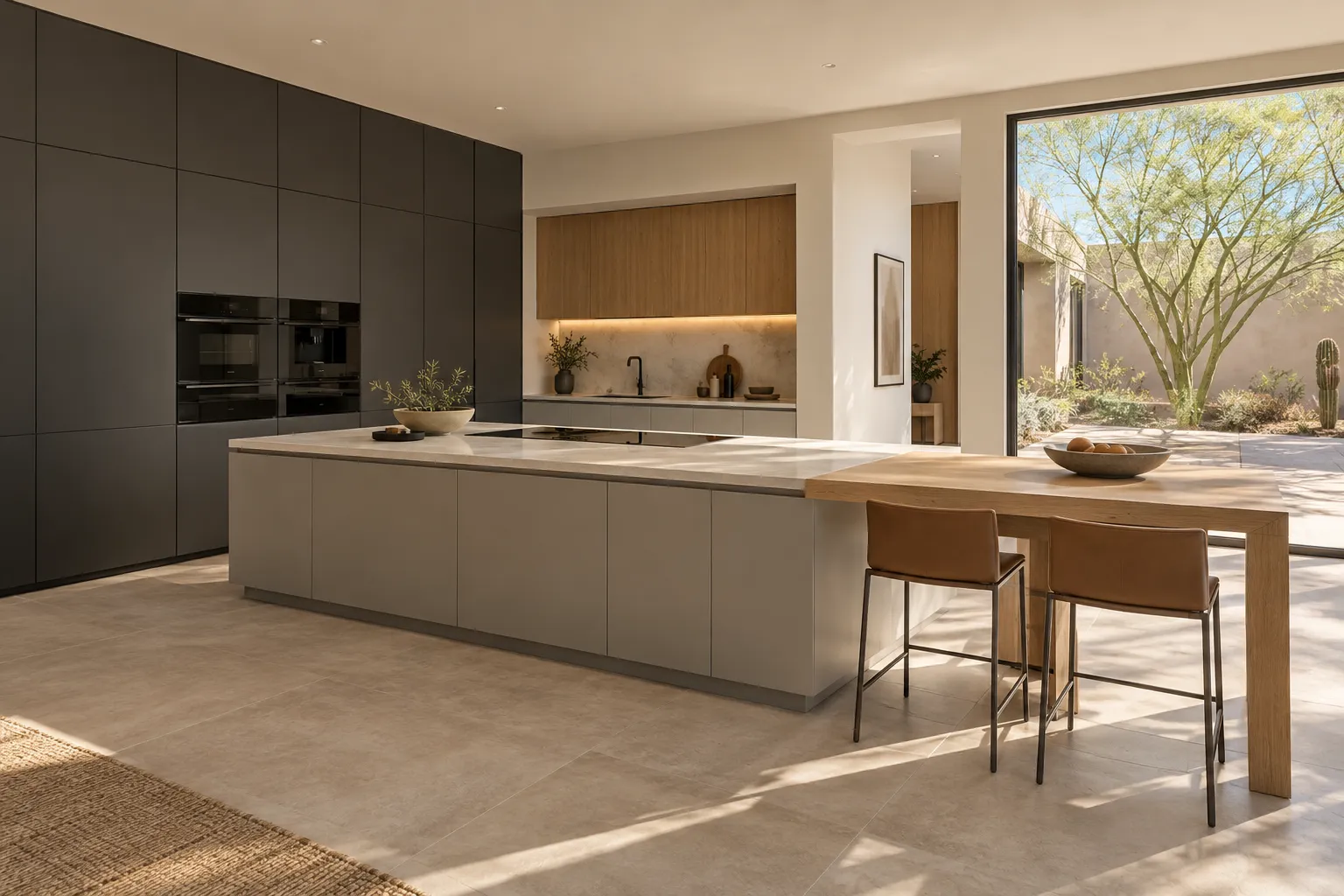
Sun heats the surface and UV shifts color, and heat near a range can crack the wrong stone. A dark counter in direct west sun gets hot enough to be uncomfortable to touch, and the daily cycle works on the seam adhesive. Sustained sun can shift the resin in engineered stone over years, so a quartz top under an unfiltered window is a risk. Marble etches from anything acidic and is a poor fit for a kitchen that sees lemon and vinegar. Heat shock is the other one: a 400 degree pan on a cool quartz top, and the surface can scorch. Trivets cost less than slabs. A honed finish hides the marks better than a polish, and it shows less glare from a bright window.
06Countertops
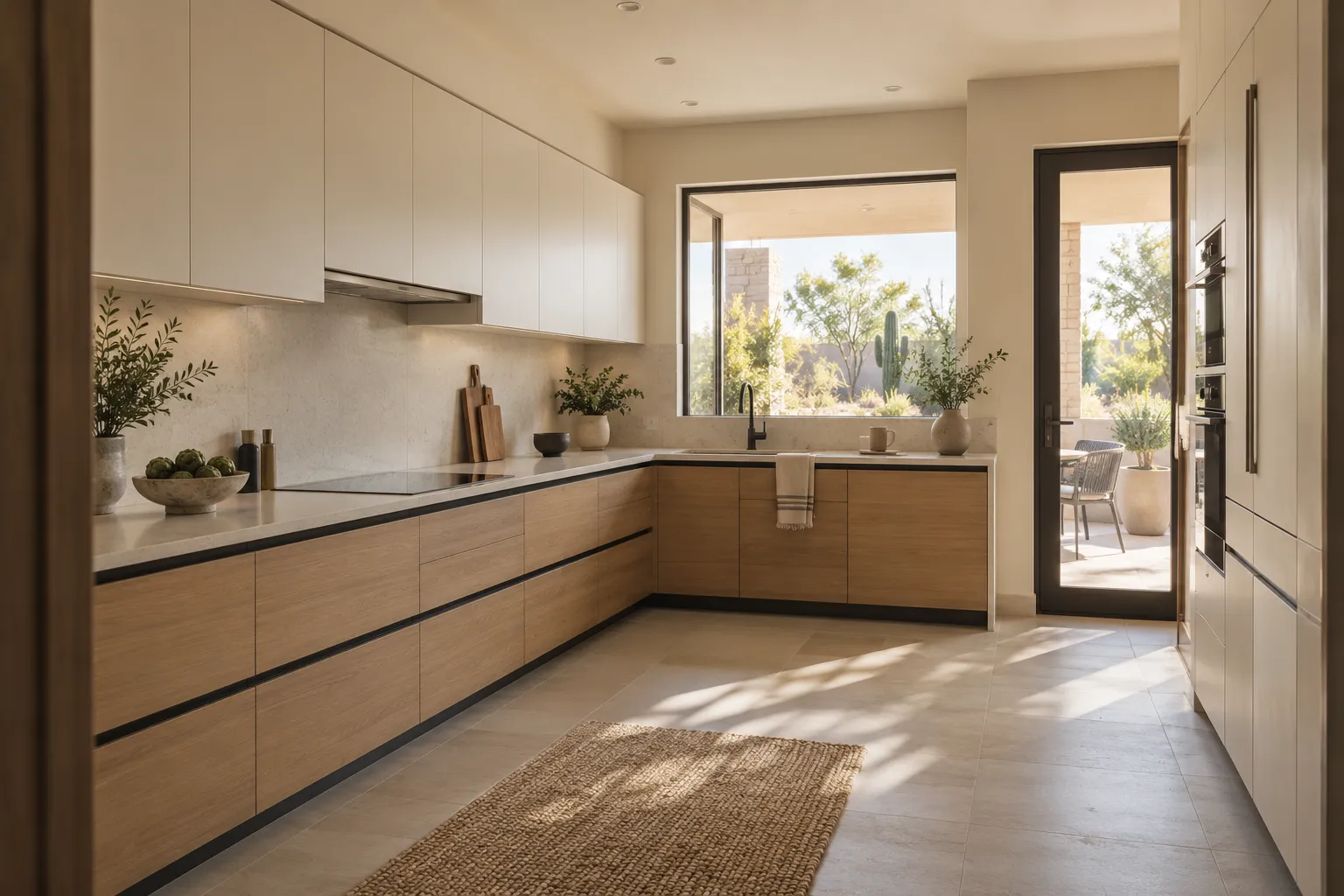
Where should countertop seams go?
On the shortest run you can find, away from the sink and out of the sight line from the main entry. A slab is often 9 to 10.5 feet long, so a 12 foot run needs a seam and a 20 foot run can need 2. Put them where the eye stops: at a corner, at a change in depth, or under a small appliance. Never at a sink corner or across a dishwasher opening, where the cut weakens the piece and the seam sits in water. Book matched seams need the slabs laid out before cutting, and a layout drawing shows where each seam falls before the saw starts. Seam color matters as much as seam position: a color matched epoxy disappears on a busy stone and shows on a solid one.
07Good to know
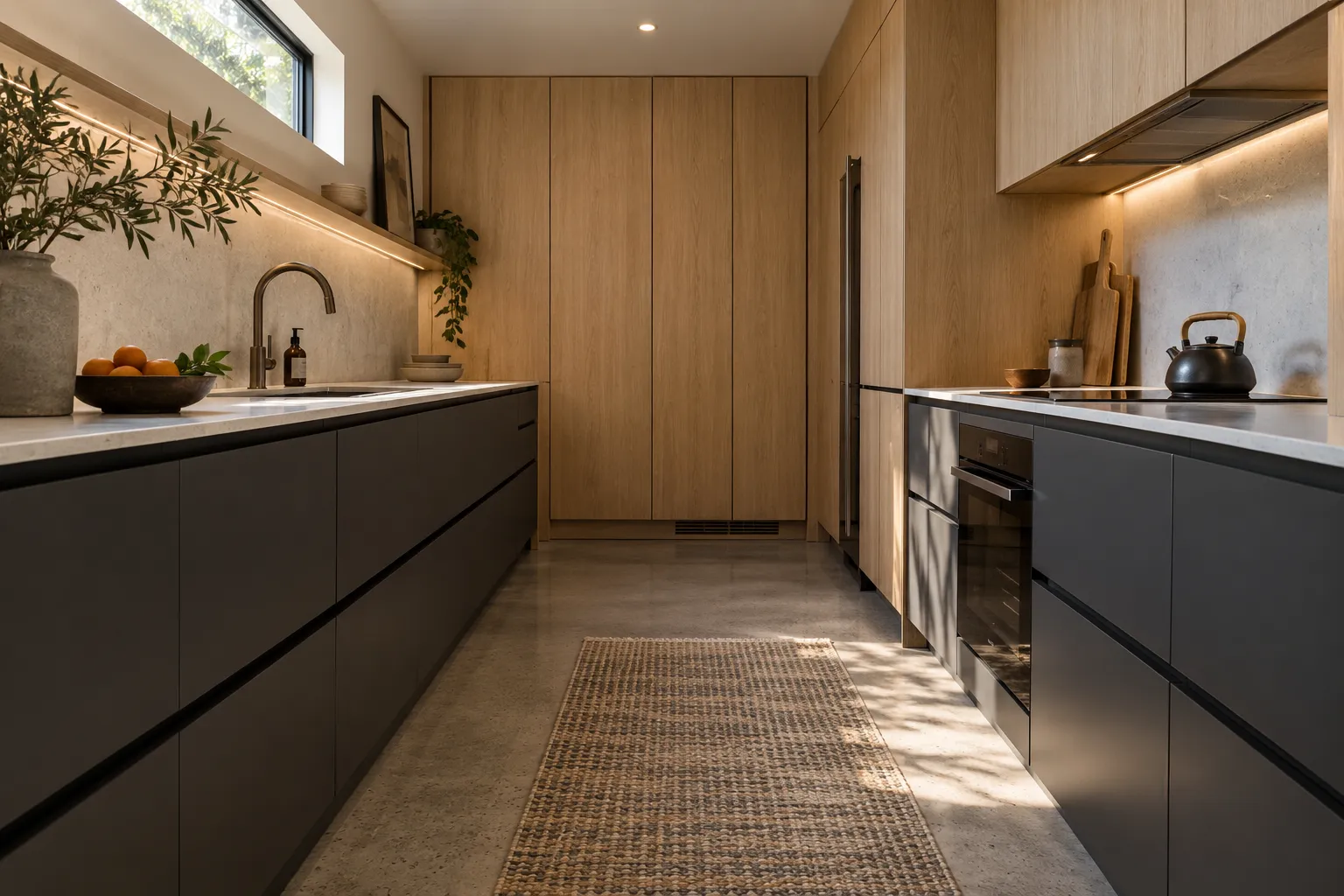
Which edge profile and thickness should I pick?
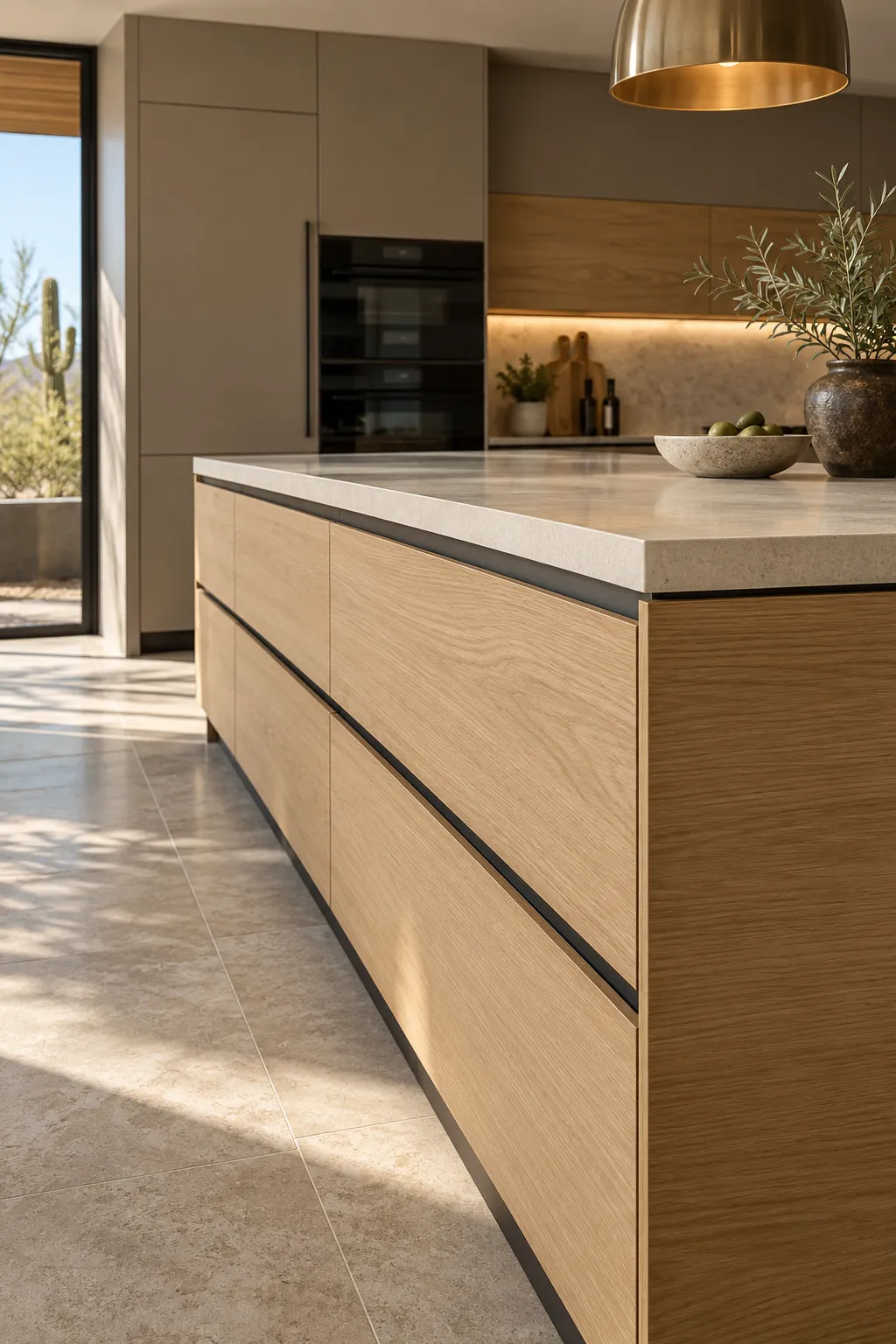
Eased edge at 3 cm for most kitchens, mitered if you want the look of thick stone without the weight. A 3 cm slab is about 1.2 inches thick and finishes at 36 inches on a standard base. A 2 cm slab needs a build up strip at the front, which leaves a glue line you will see at eye level. Bullnose is rounded and dates a kitchen faster than a square edge. A mitered edge folds the slab down so the profile reads as 2 inches of solid stone. A waterfall edge uses a second slab and needs a cabinet run that is square to the millimeter. Edge price runs by linear foot, so a 20 foot run of mitered edge is a real line on the quote, and a standard eased edge is usually included.
08Permits
Do countertops need a permit?
Replacing a counter on the same cabinets, with no new plumbing, gas or electrical, usually needs no permit in Phoenix. What does need one is anything under it: a new island sink, a moved drain, a dishwasher circuit, a gas line to a cooktop. Those are on the City of Phoenix's list of work that needs a permit (City of Phoenix (opens in a new tab)), and the work is inspected before the counter goes on. The sequence matters, because a templated counter over an uninspected rough in is a counter that comes off again if the inspection fails. If the project includes an island with a prep sink, expect a plumbing permit and an inspection between rough in and template.
09Timeline
How long does countertop installation take?
Template happens after the cabinets are set and level, and Fixr says a countertop adds 2 days to a week for delivery and installation once the cabinets are in. Fabrication time depends on the slab. Tear out of the old top and install of the new one is usually 1 day, with the sink and cooktop reconnected that day or the next. Quartz and granite both template against the actual cabinets, so a level issue found at template becomes a delay, not a surprise on install day. Book the plumber for install day, not the day after, or the sink sits in its box while the kitchen is unusable.
10Countertops
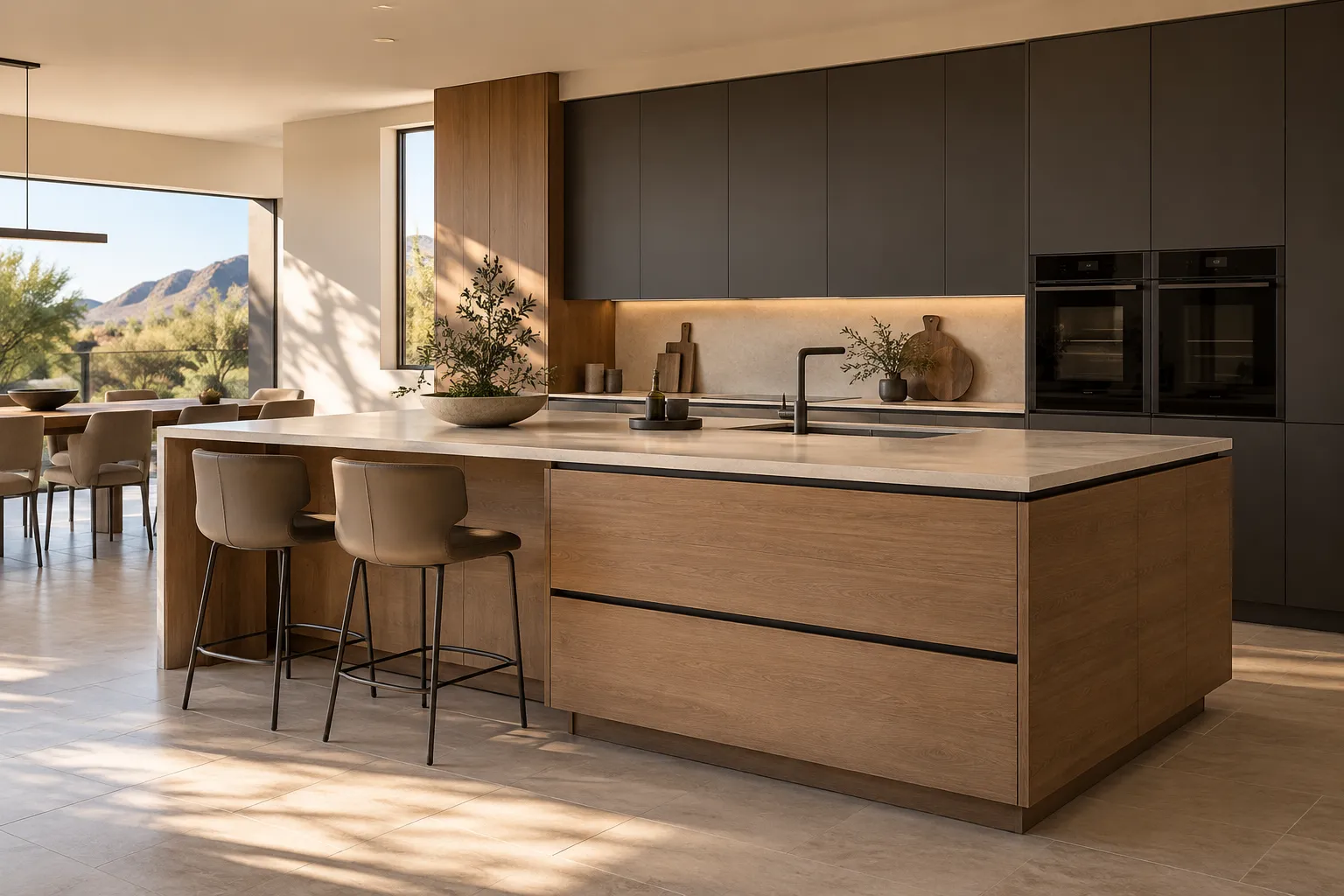
What goes wrong with countertops in Phoenix?
4 things, and they can show up in the first month. An overhang past 12 inches with no corbels, which cracks at the seam the first time an adult leans on it. A dishwasher that is not anchored to the counter, which lets the top rock and the seam open. A sink cutout that leaves too little stone at the corners, which is where a crack starts. A seam placed in direct sun, where the adhesive takes the heat cycle every afternoon. Add hard water, which films dark polished stone and chalks unsealed grout at the backsplash within a week. The counter also sets the backsplash line, so a top that is out of level by a quarter inch shows up in the tile above it.
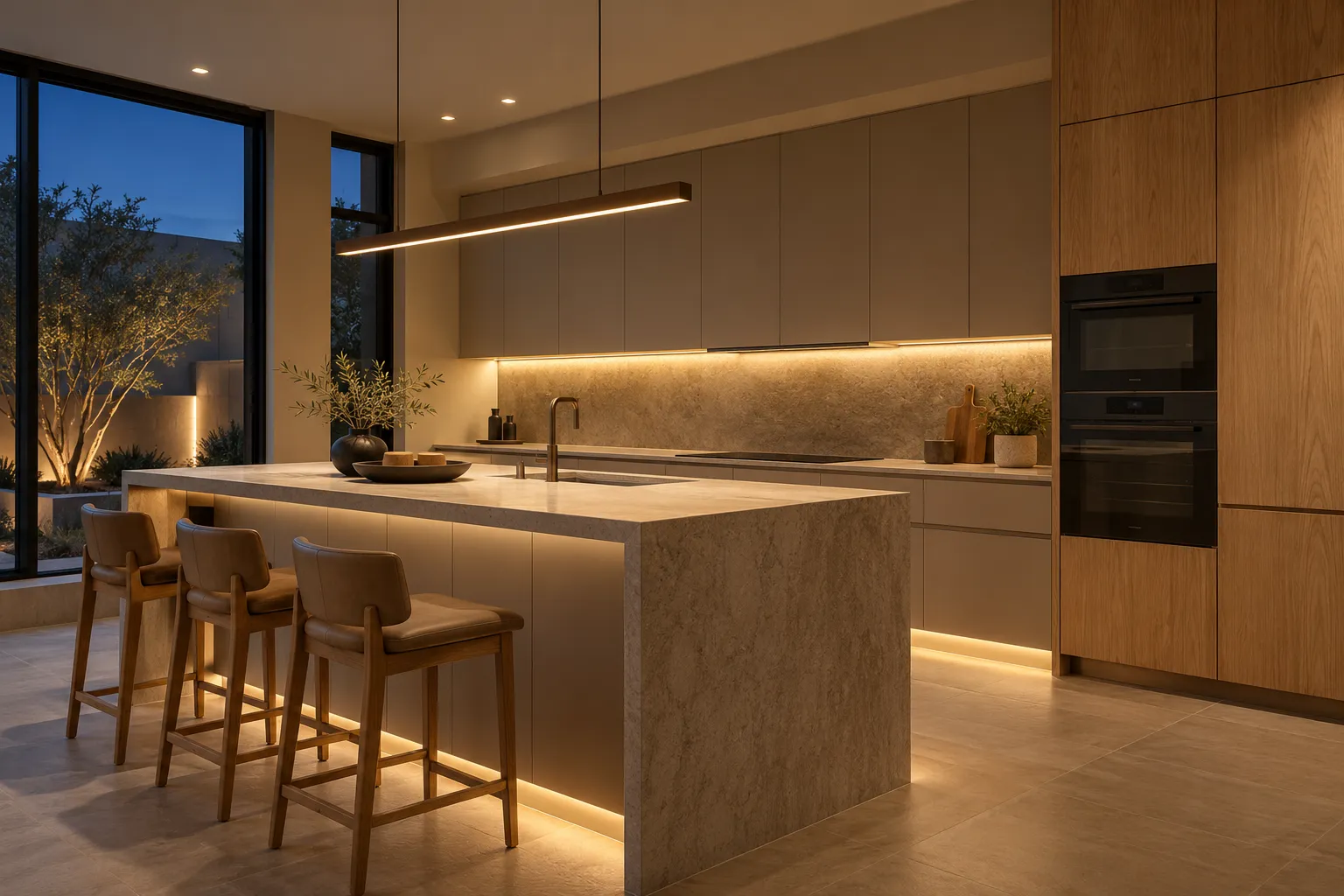
Kitchen Studio
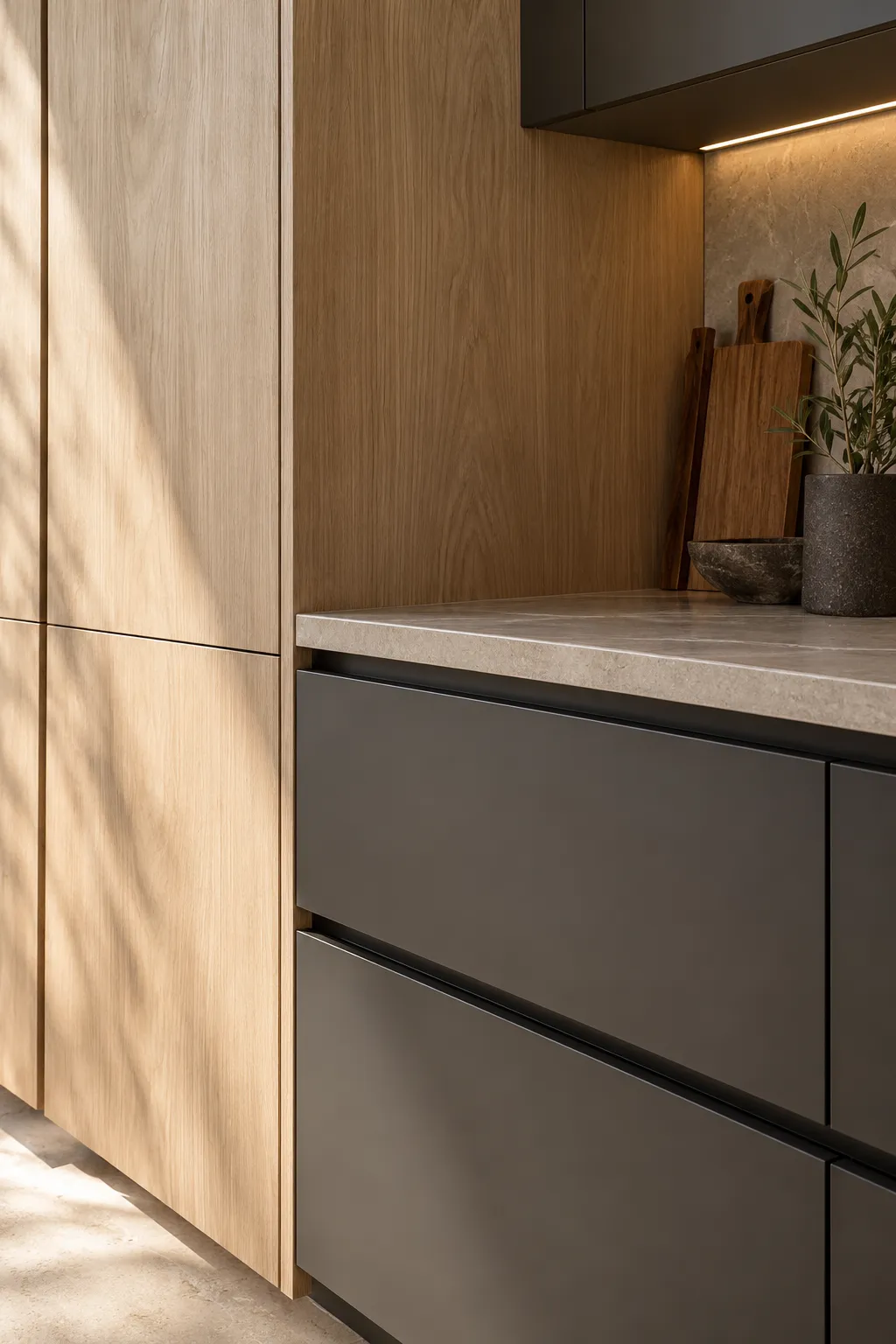
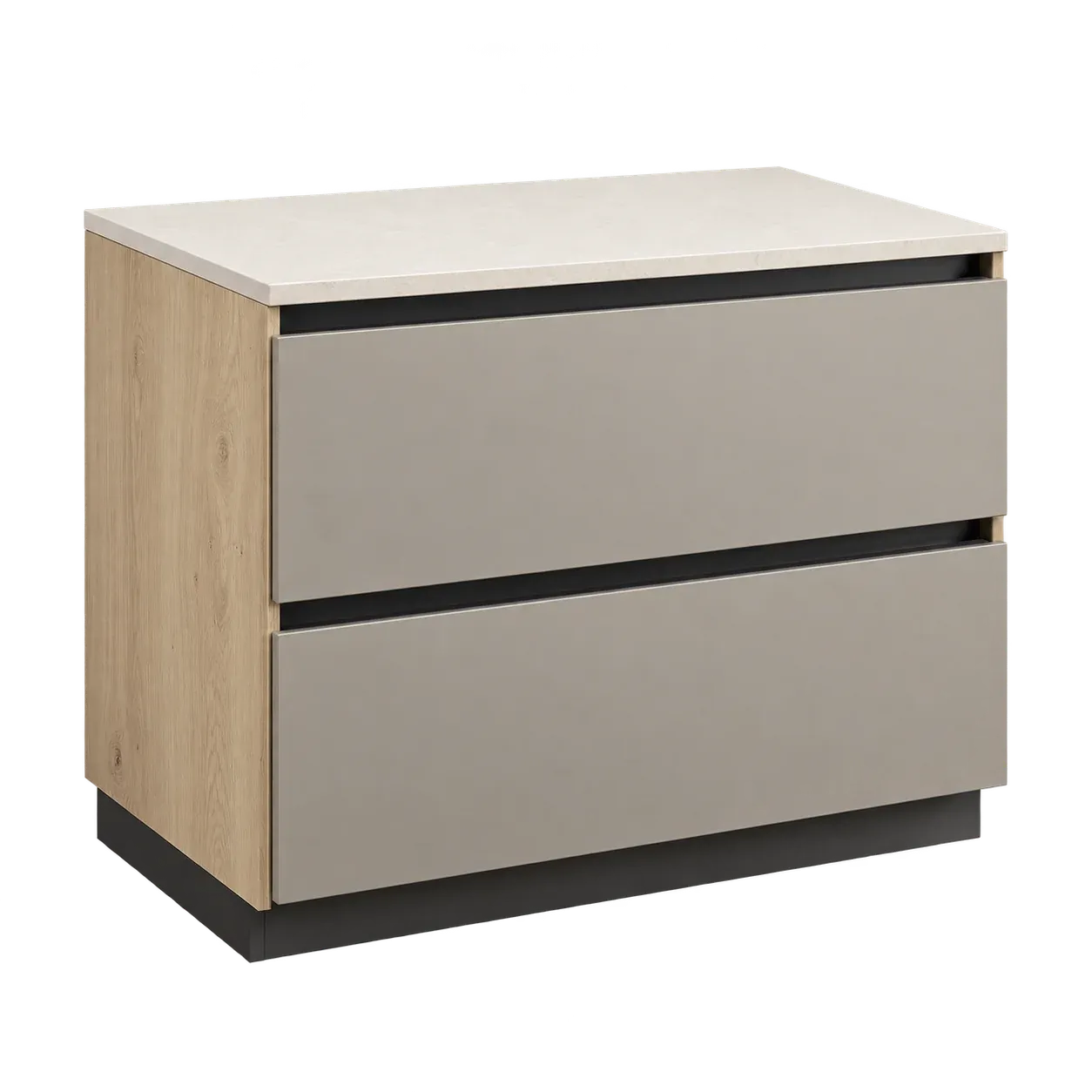
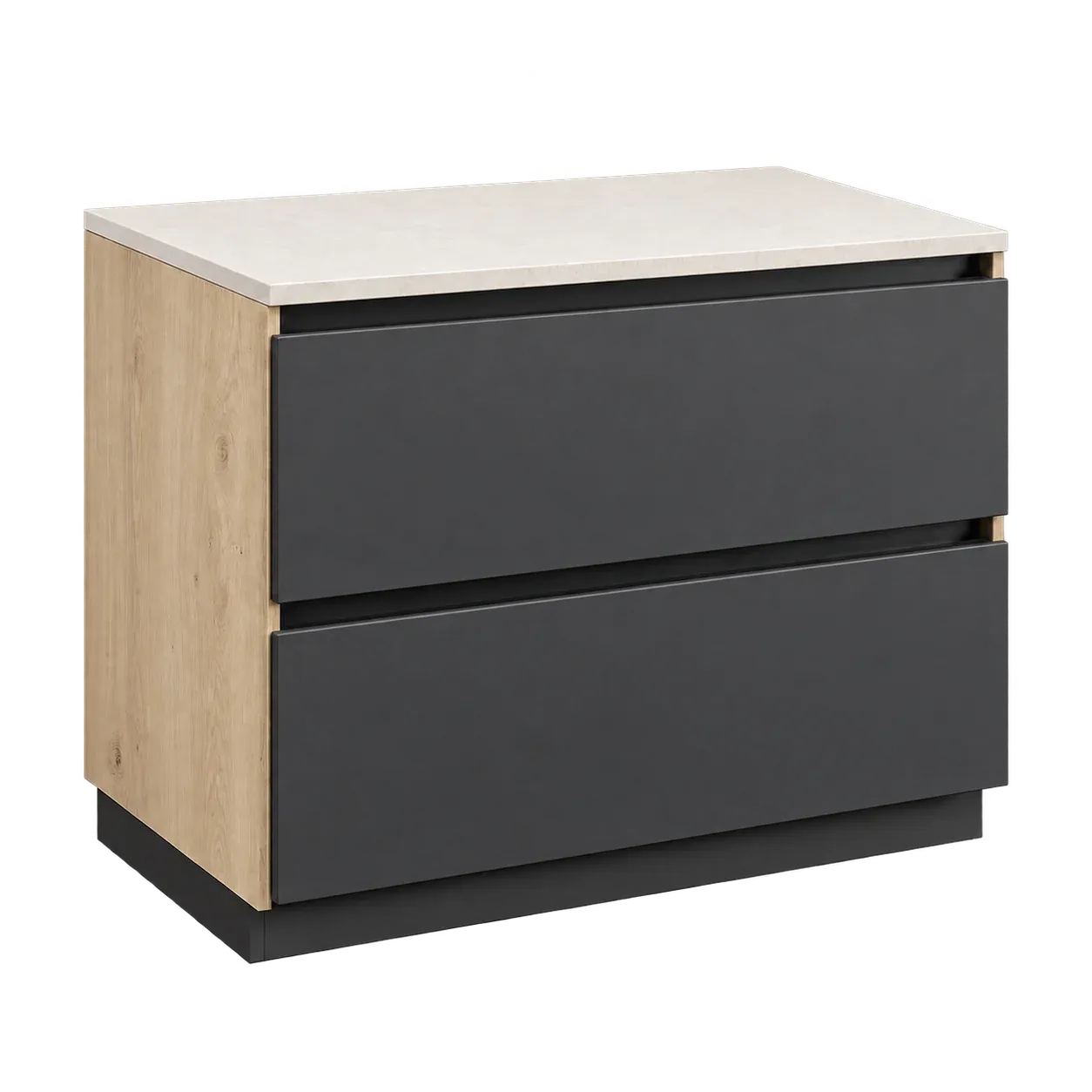
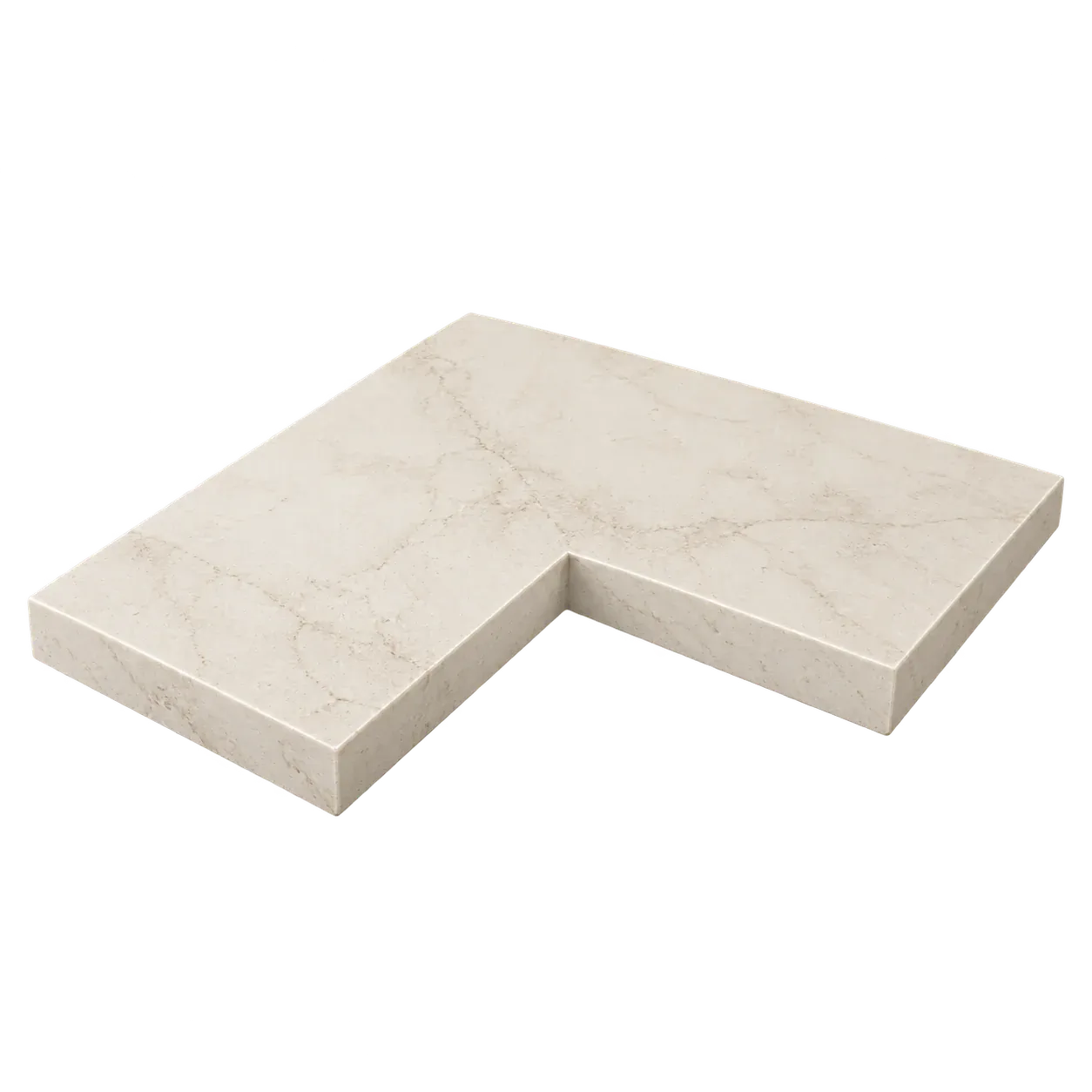
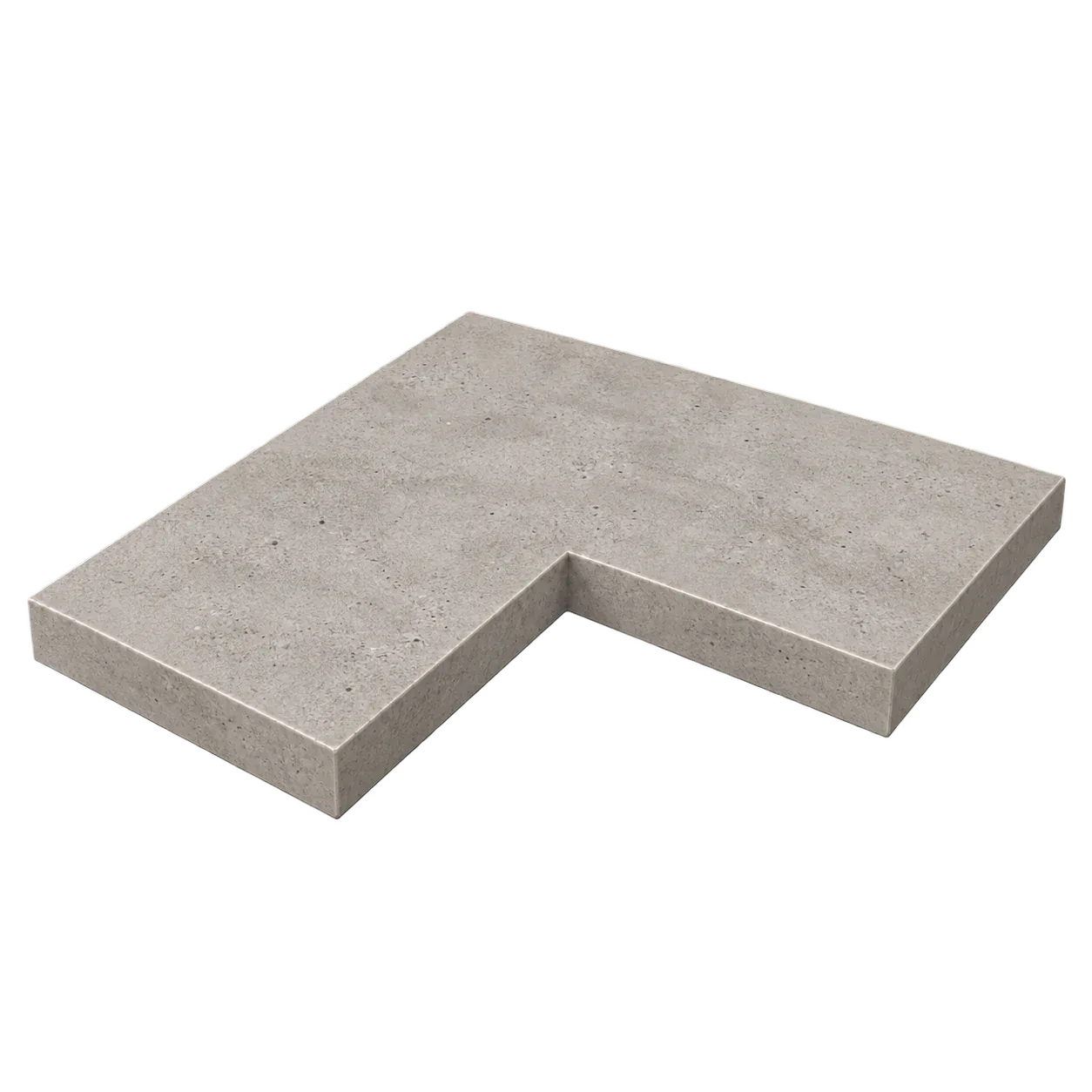
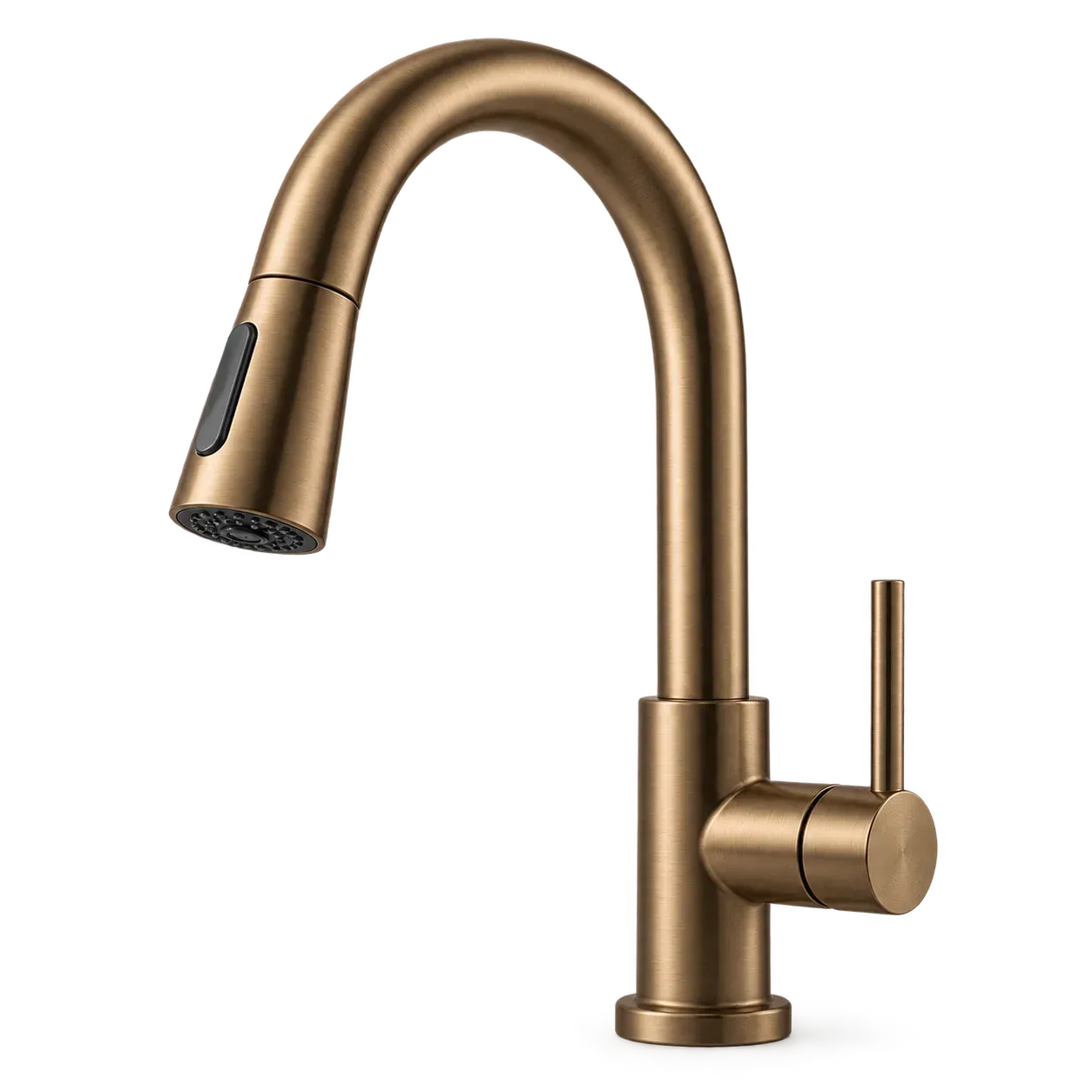
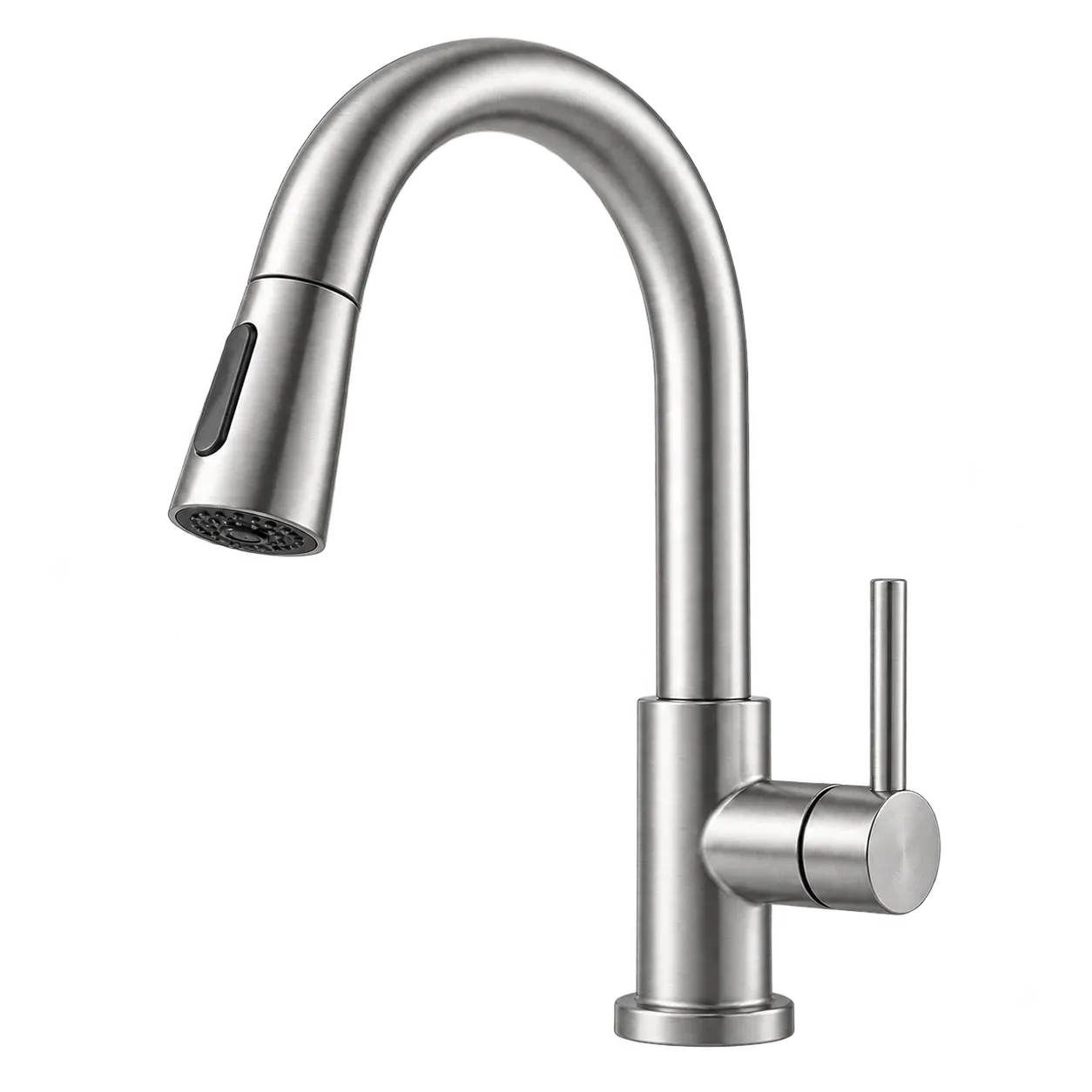
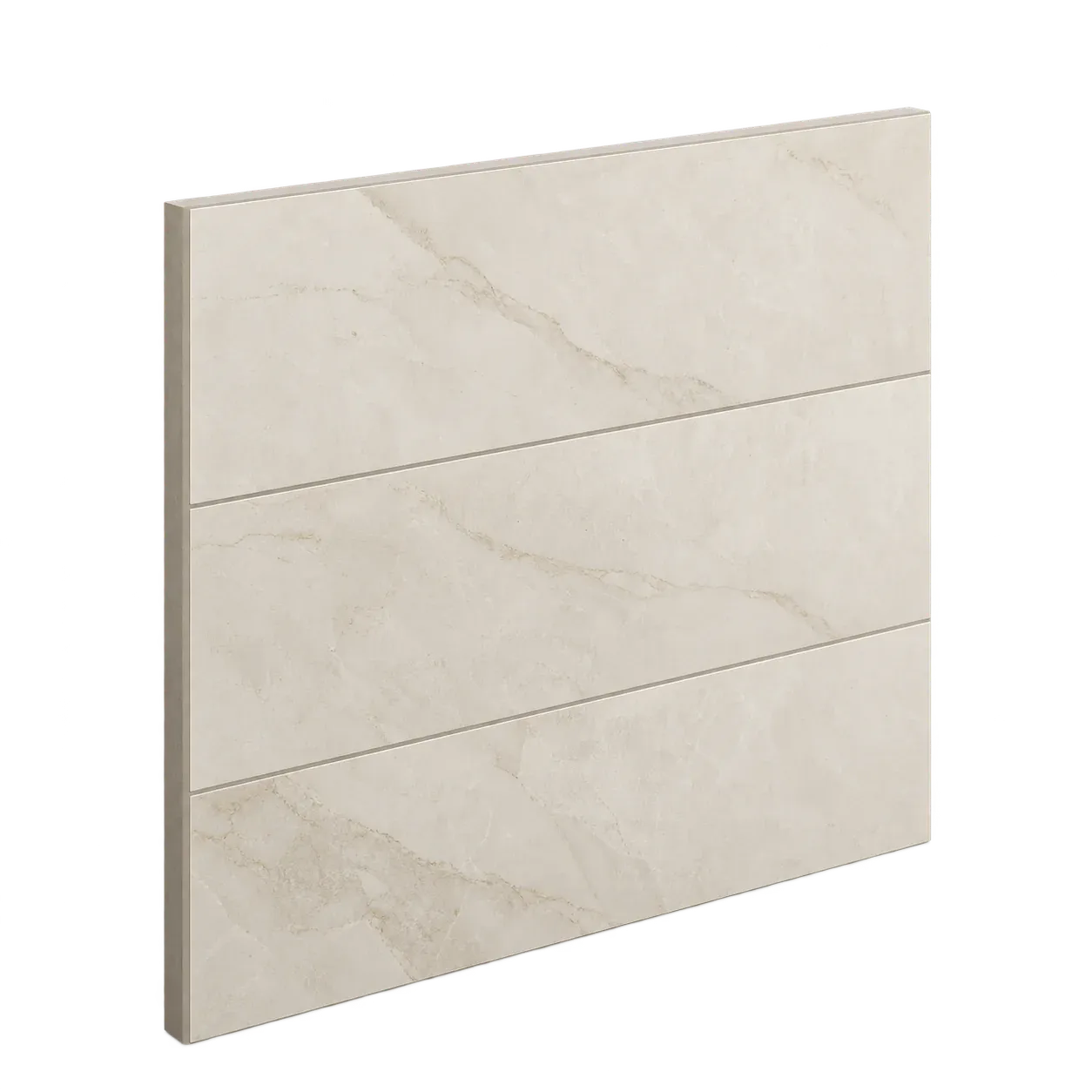
Swap the finishes. Watch the kitchen change.
A design preview, not a price. Pick a finish for each part of the kitchen, drag the line to compare, then send your picks with your project.
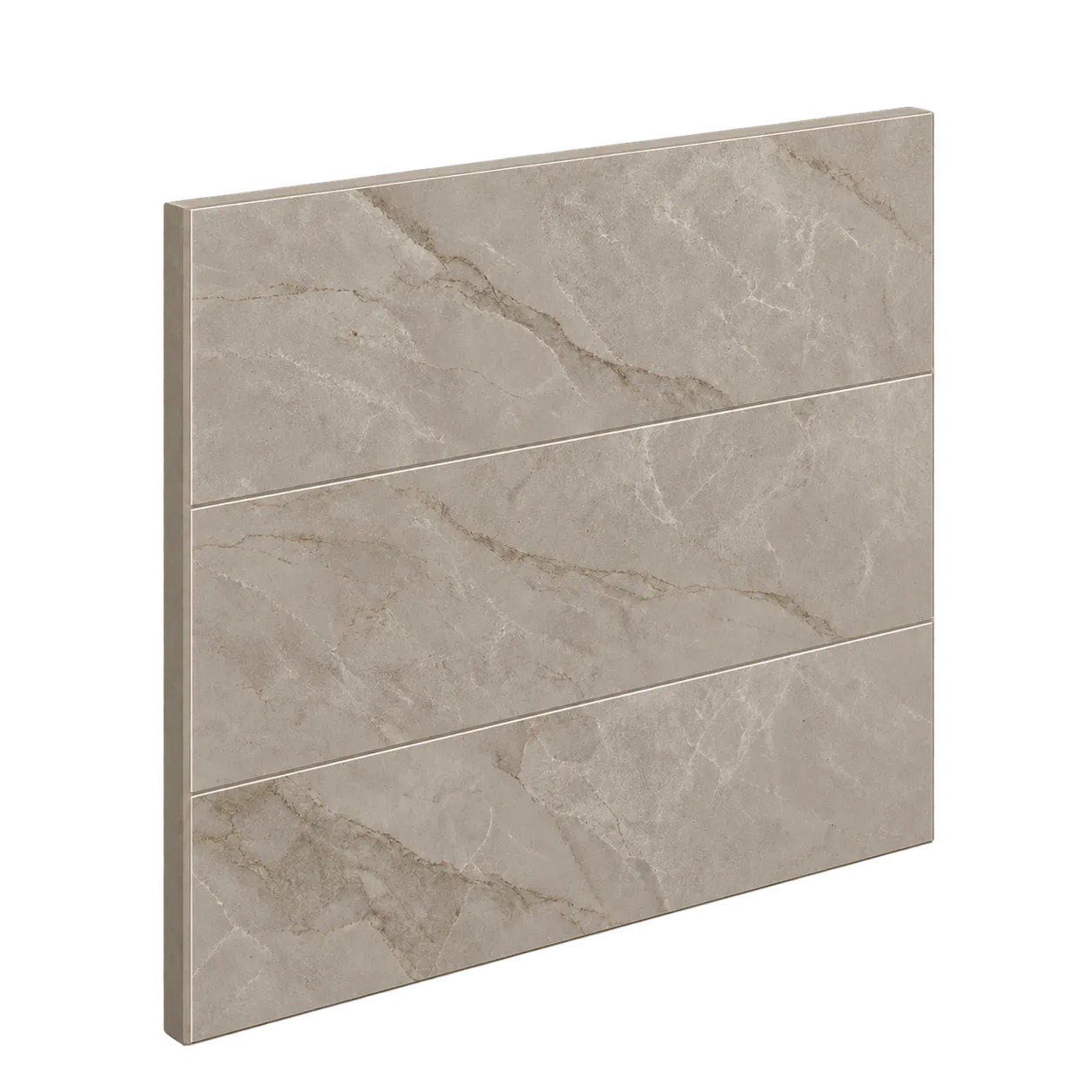
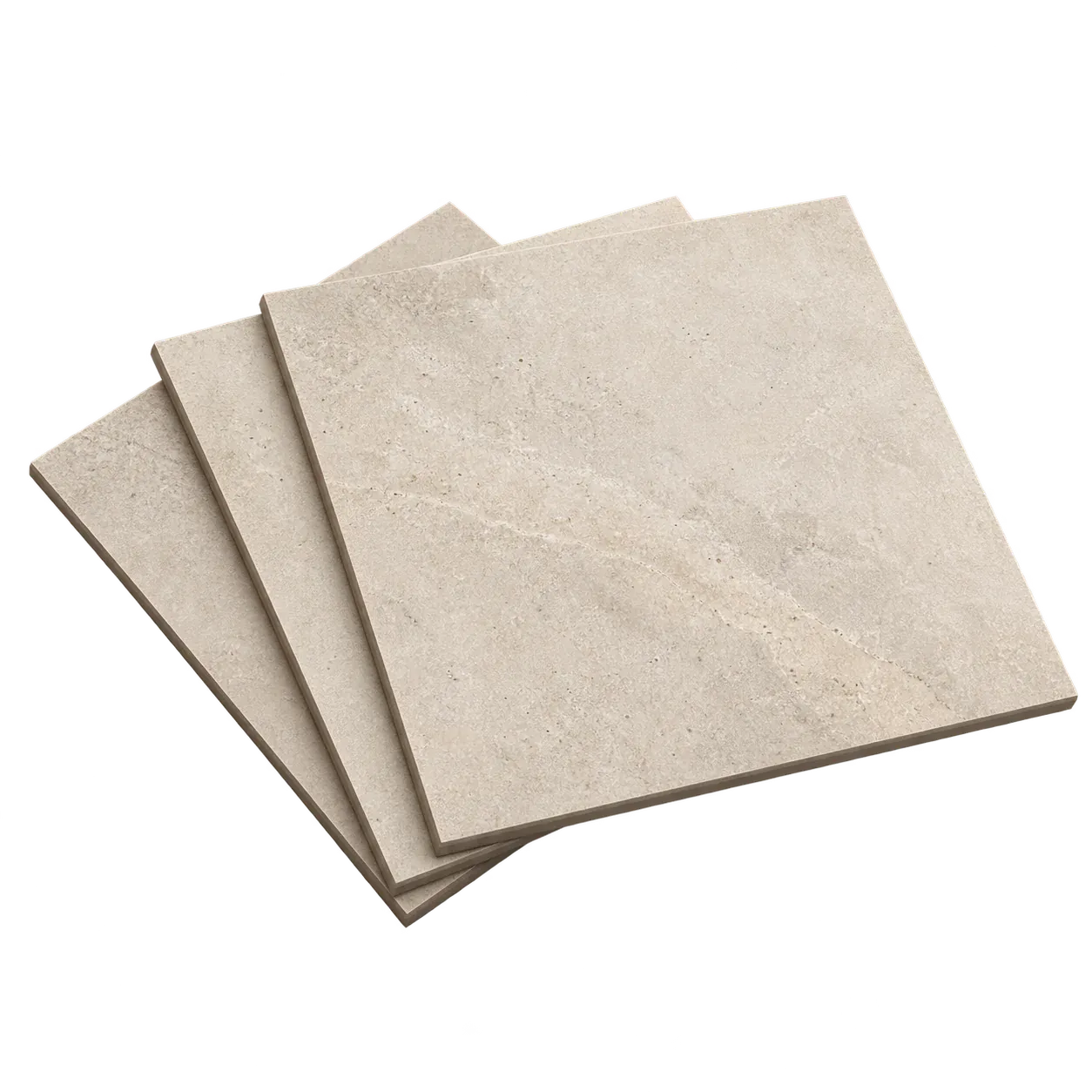
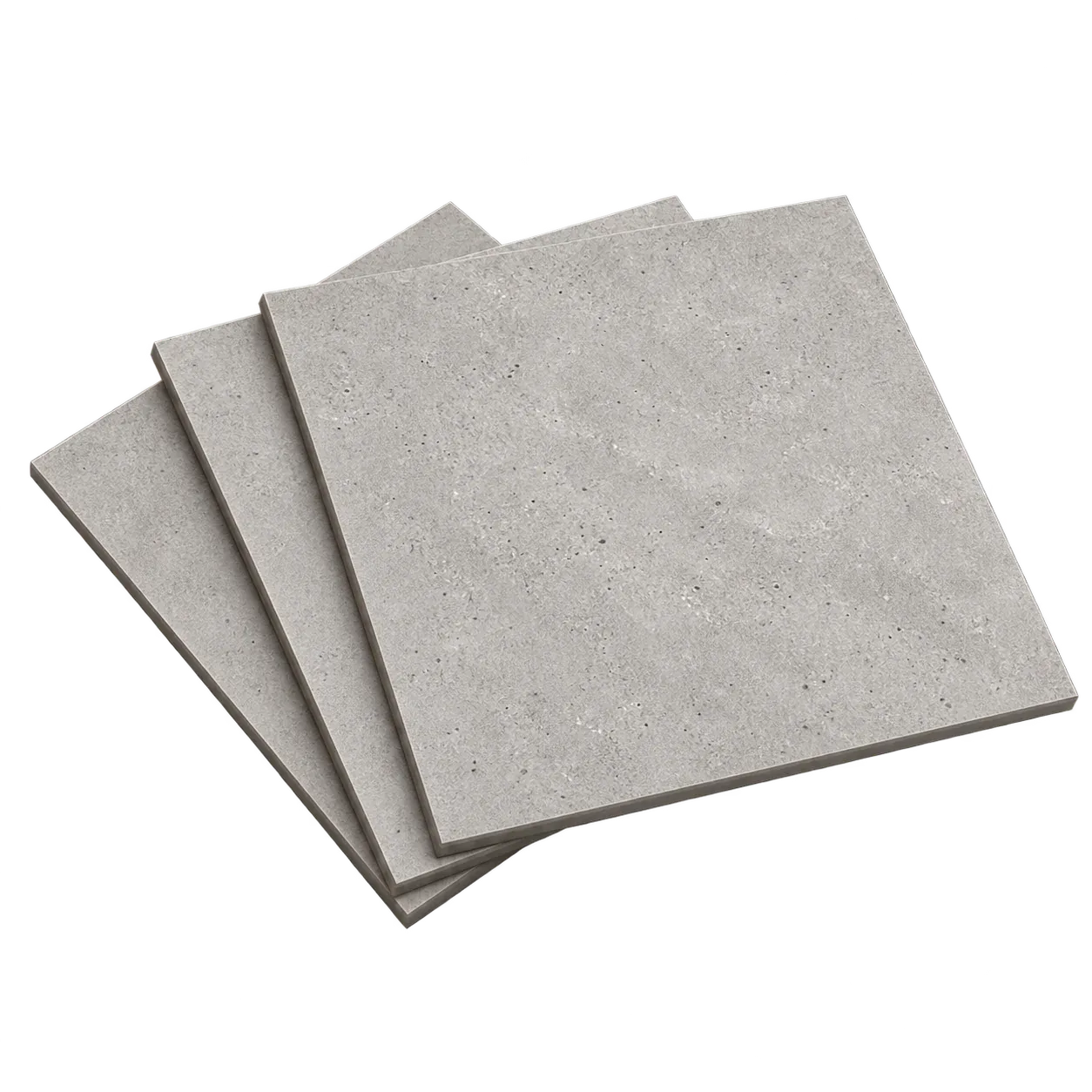
114 questions
Questions people ask
Still have a question? Call (747) 243-2089 and describe the kitchen.
01Can I put a hot pan on quartz?
Not safely. This Old House says quartz can crack or discolor under extreme or prolonged heat and recommends trivets, so a pan straight off the burner can leave a mark. The Natural Stone Institute says many stones can withstand heat but recommends trivets or mats (Natural Stone Institute (opens in a new tab)). The safe habit is a trivet on every surface.
02How often does granite need sealing in Arizona?
It depends on the stone and the sealer: the Natural Stone Institute points to the sealer maker's recommended frequency, and areas near a sink or a cooktop, where water and oil land, can need it more often. Test it with a few drops of water: if the stone darkens and the water does not bead, it is due. Sealing takes 20 minutes and a dry counter. Dry Phoenix air is not the issue. Oil and hard water are what clog the pores.
03Is quartz worth the price over laminate?
Yes if the kitchen is being rebuilt around it, no if the cabinets are 25 years old and staying. Quartz costs more per square foot, does not need sealing and will outlast a laminate top by a wide margin. Laminate is a reasonable choice for a rental or a budget refresh, and it can look good for a decade. The mistake is spending the counter budget on stone and leaving nothing for the cabinets under it.
04Can countertops be replaced without replacing cabinets?
Yes, and it is one of the better value projects in a kitchen. The cabinets have to be sound, level and square, because the new top is templated to them. Old counters come off, the sink and cooktop are disconnected, the new top goes on and the fixtures reconnect. Expect the kitchen to be out of use for 1 to 3 days. If the cabinet run is out of level, that gets fixed first.
12Keep reading
Related
- Kitchen remodeling services: all 11 service pages in one place.
- Kitchen remodel cost in Phoenix: the full range table and what moves it.
- Kitchen cabinets: the boxes the counter is templated to.
- Kitchen backsplash: tile, slab and the grout line at the counter.
- Kitchen islands: overhangs, support and the slab that spans them.
- Contact: send the dimensions to talk through material and seams.